Battery Backup
Power when
it matters
Quiet, automatic backup power for your home or business. No generator noise, no fuel, no maintenance.
Quiet, automatic backup power for your home or business. No generator noise, no fuel, no maintenance.
Solar pays for itself in Alberta. A home battery usually does not, because our rates do not swing enough across the day to make storing power profitable. Anyone telling you a battery pays for itself here is selling you something.
What it does buy you is a house that stays warm, lit, and connected when the grid goes down, with no generator to fuel or start. A Tesla Powerwall 3 runs $20,000 to $25,000 installed in Calgary, including the transfer switch, the critical-loads sub-panel, and permits. Your number moves with your panel and how much of the house you want to carry.
Get a real number for your homeKeep your home running when the grid goes down. Automatic, silent, maintenance-free backup power designed and overseen by a Master Electrician.
Connects on the AC side of your panel. Works with any existing solar inverter, or standalone for grid-only backup. The usual choice for a retrofit.
Sits between the panels and the inverter, so stored energy skips a conversion step. Slightly more efficient, best on new or SolarEdge systems.
No permanent install and no electrical work. Plug in the essentials. For renters, condos, or backup alongside a permanent system.
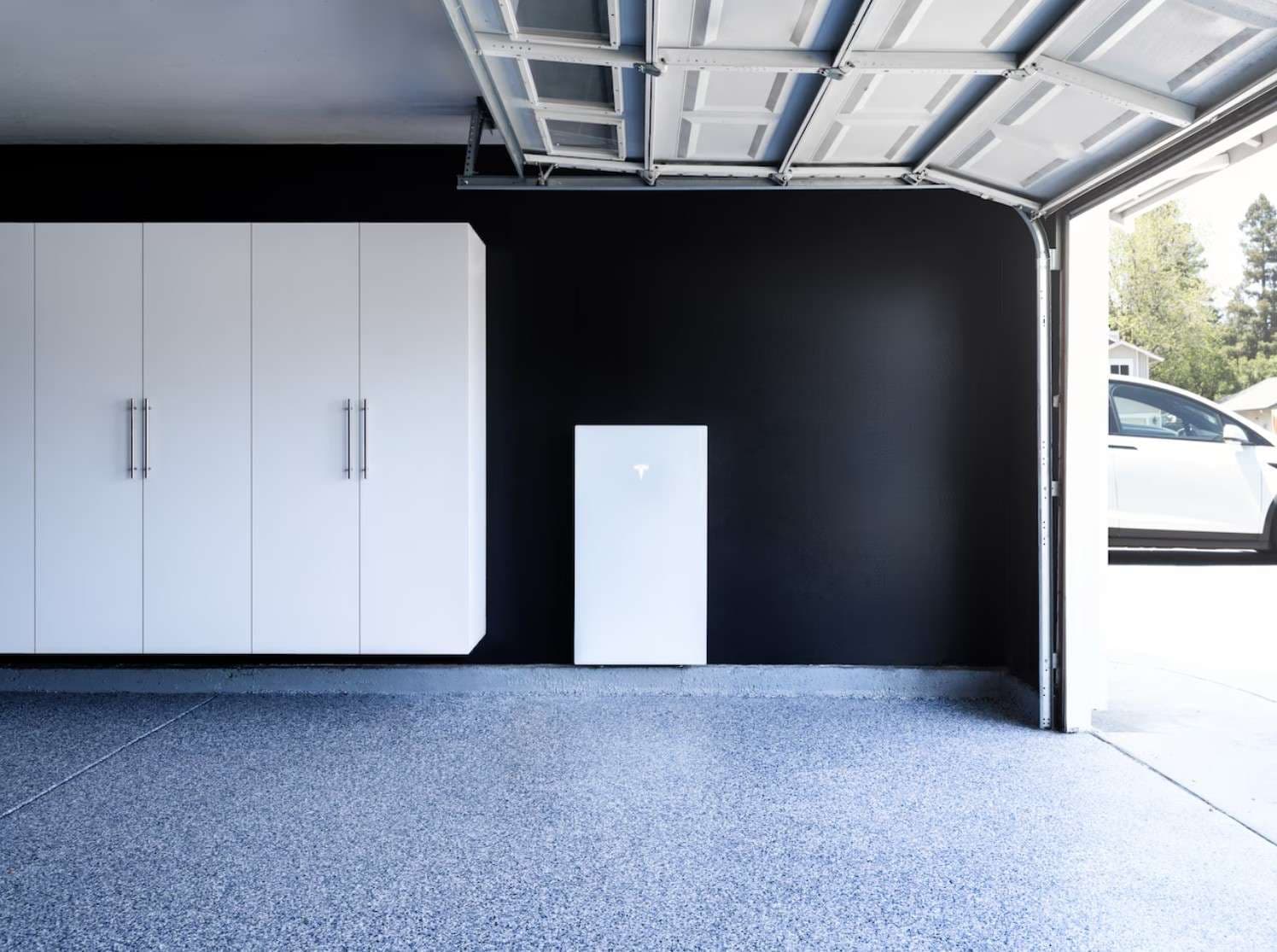
13.5 kWh of storage capacity with full-home backup capability. Pairs seamlessly with solar for energy independence, and monitors everything through the Tesla app.
We are a Tesla Certified installer - factory-trained, warranty-backed, and experienced with Alberta's climate and electrical requirements.
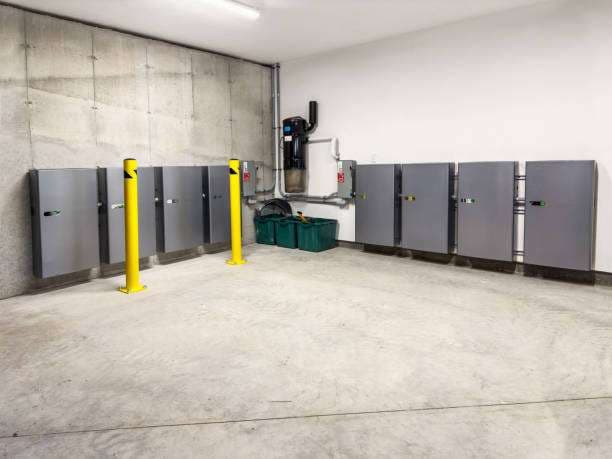
Every permanent battery installation includes an automatic transfer switch (ATS) or Backup Interface Unit (BUI). When the grid fails, this device isolates your home from the utility in milliseconds and transfers your backed-up circuits to battery power. When the grid returns, it reconnects automatically.
All equipment we install is UL and CSA approved, meeting the safety standards required by Alberta electrical code. Our installations are CEC (Canadian Electrical Code) compliant, and every project is permitted and inspected.
As a Master Electrician-led company, we handle the complete electrical scope in-house. No subcontracted electrical work, no grey areas on code compliance.

When the grid goes down, your battery kicks in automatically. No noise, no fumes, no manual startup. Your lights stay on, your fridge keeps running, and your family stays comfortable.
The right backup strategy depends on your priorities, budget, and how much of your home you need to keep running during an outage.
Your entire electrical panel is backed up. Every circuit, every outlet, every appliance runs on battery power during an outage. Requires higher battery capacity and a larger transfer switch, but provides complete peace of mind.
Selected essential circuits are backed up through a dedicated sub-panel. You choose what matters most: lights, fridge, internet, furnace fan, medical devices. More affordable and extends battery runtime significantly.
Even a single battery unit can keep your most critical loads running for hours. Add solar and your backup can last indefinitely.
Keep your home lit during extended outages
Protect food and medication that require cold storage
Stay connected for work, school, and communication
Maintain heating circulation during winter outages
Power CPAP machines, oxygen concentrators, and more
Keep working through outages without interruption
Alberta commercial bills price your highest 15-minute draw of the month, so a battery that shaves those peaks can pay for itself in a way a home battery does not. That makes commercial storage a real financial case rather than an insurance one.
We size it from your actual tariff and interval data, never from a rule of thumb, and our Master Electrician handles the switchgear and transfer equipment in-house. Cold storage, warehousing, manufacturing, retail, and remote sites are all common fits.
Talk to us about commercial storageA Tesla Powerwall 3 installed in Calgary typically lands between $20,000 and $25,000 including installation, permits, the automatic transfer switch, and the critical-loads sub-panel. The exact price depends on your electrical panel configuration and how the backup wiring needs to be routed through your home.
Technically yes, but it is rarely cost-effective for urban homes in Calgary. Most clients choose a grid-tied system with battery backup, which gives you power during outages while still earning export credits. We design systems for both full-home and partial-home backup.
A single Tesla Powerwall 3 stores 13.5 kWh of energy. For essential loads like lights, fridge, internet, and a few outlets, it typically lasts 12 to 24 hours. With solar panels recharging the battery during the day, backup can last indefinitely during extended outages.
No. Battery systems can be installed standalone and charge from the grid during off-peak hours. However, pairing with solar gives you the ability to recharge your battery for free during outages and maximize your energy independence.
AC-coupled batteries like the Tesla Powerwall connect to your existing electrical panel and work with any solar inverter. DC-coupled batteries connect directly to your solar panels before the inverter, which can be slightly more efficient but requires compatible equipment. We install both types.
Most residential battery installations are completed in one day. If a sub-panel or automatic transfer switch is needed for whole-home backup, it may take an additional half day. We handle all permits and inspections.
Type your address, we’ll show your roof and your advisor will follow up with the battery options that fit your home and bill.